
Blog
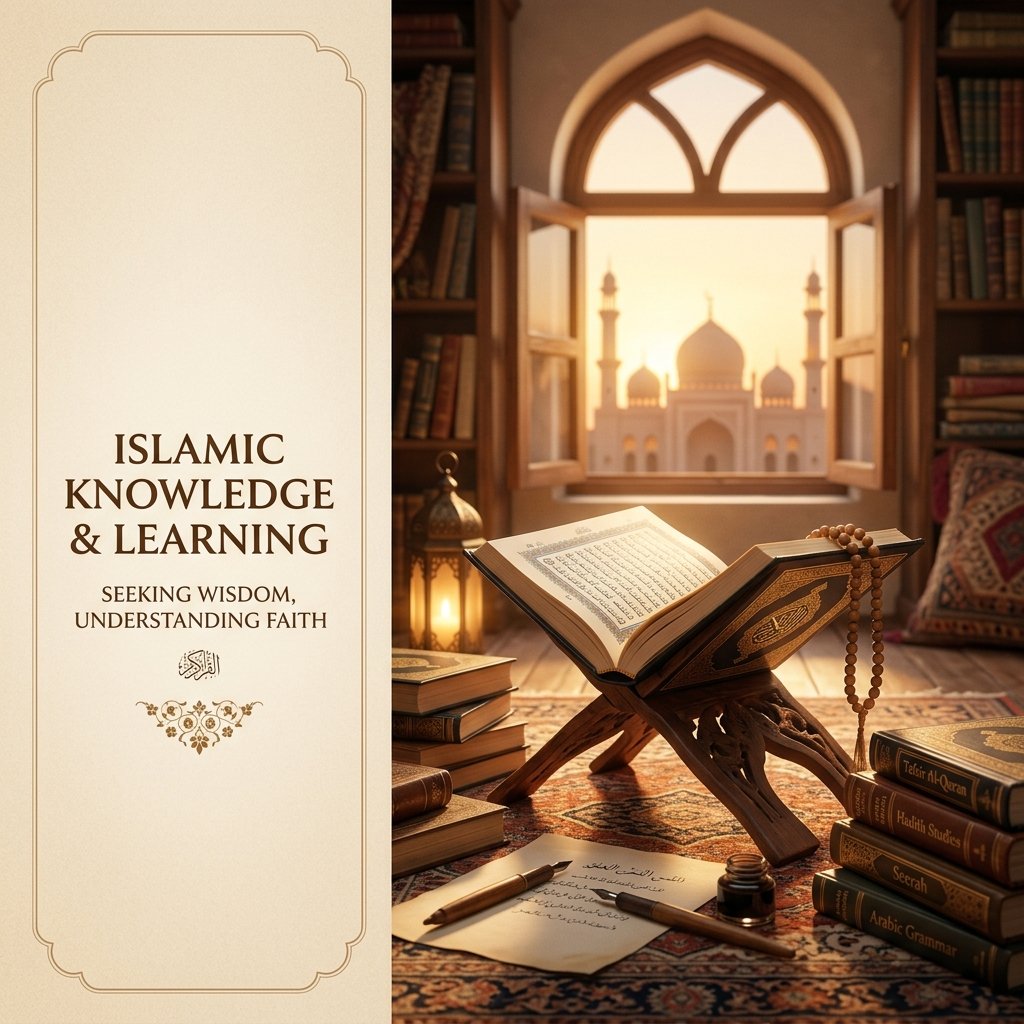
The Importance of Seeking Islamic Knowledge
Table of Contents
1. Knowledge in Islam
In Islam, knowledge ('ilm) is not merely an intellectual pursuit — it is an act of worship and a divine obligation. The very first word revealed to the Prophet Muhammad ﷺ was not a command to pray or fast, but a command to read. This single word encapsulates Islam's profound emphasis on learning.
Unlike many worldly disciplines that separate knowledge from morality, Islamic knowledge is inseparable from character, purpose, and accountability before Allah. Knowledge in Islam illuminates the path to Allah, shields against misguidance, and transforms both the individual and the society.
2. The Quranic Command to Seek Knowledge
The Quran elevates people of knowledge to the highest ranks:
The Prophet ﷺ made seeking knowledge a personal obligation upon every Muslim: "Seeking knowledge is an obligation upon every Muslim." (Ibn Majah — Hasan). This obligation encompasses learning the fundamentals of the faith that every Muslim needs to practise Islam correctly.
3. Types of Islamic Knowledge
Fard 'Ayn — Individual Obligation
This is the knowledge that is obligatory for every Muslim to acquire: the pillars of faith (Iman), the pillars of Islam (prayer, fasting, zakat, hajj), the rulings relevant to one's daily life, and matters that affect one's acts of worship directly.
Fard Kifayah — Collective Obligation
This refers to advanced religious sciences — Tafsir, Hadith sciences, Fiqh, Arabic grammar — where if a sufficient number of the community specialise in them, the obligation is lifted from the rest. These are foundational to preserving the religion across generations.
4. Benefits of Seeking Knowledge
- Closeness to Allah — Scholars are described in the Quran as those who truly fear Allah (35:28)
- Ongoing reward — Knowledge shared or taught continues to benefit the person after death
- Protection from deviation — Knowledge guards against falling into misguidance and innovation
- Intercession — The Prophet ﷺ said scholars are the heirs of the Prophets (Abu Dawud)
- Community upliftment — An educated community is a protected and united community
Conclusion
Seeking Islamic knowledge is one of the most noble acts a Muslim can engage in. It is the foundation upon which correct worship, sound character, and a righteous community are built. The Prophet ﷺ said: "When Allah wishes good for someone, He gives him understanding of the religion." (Bukhari & Muslim)
At Manhaj Al Ambiya, our mission is to make authentic Islamic education accessible to every Muslim in Mangaluru. We invite you to join our programs and begin — or continue — your journey of sacred learning.